Exactly how to Fix a Garage Door Opener That Makes Uncommon Noise
A garage door opener hardly ever gets attention up until it begins sounding wrong. A healthy and balanced system has a familiar rhythm, a constant hum, a short mechanical clatter as the door begins to move, then silent once more. When that audio changes to grinding, squealing, rattling, or a sharp banging sound, something in the system has actually wandered out of placement or started to use. Occasionally the trouble is small and easy to correct. Various other times the sound is the first indicator that the opener, the garage door electric motor, or the moving hardware is under pressure and needs prompt attention.
Noise issues since it typically shows up prior to a complete failure. That is especially real in position where doors need to do greater than open and close on demand. In cyclone-prone parts of Queensland, garage doors are not simply an ease, they become part of the building envelope. A noisy opener might not seem urgent on a tranquil day, however if the door struggles, drinks, or binds, it can point to a weakness that becomes a lot more significant throughout extreme weather. A garage door that does not run smoothly is harder to protect, tougher to rely on, and more likely to experience damages when the weather condition transforms rough.
Start with the audio, not the guess
Different noises typically indicate different troubles. A grinding noise often suggests worn gears, a completely dry drive system, or a damaged part inside the opener. A screech might come from rollers, joints, or a belt or chain that requires attention. A loud bang or bang-then-stop pattern can show a door that has stumbled, a springtime problem, or a drive system that is battling resistance it need to not be fighting. A rattling opener might hang on its mounting, especially if the noise is toughest at startup or shutdown.
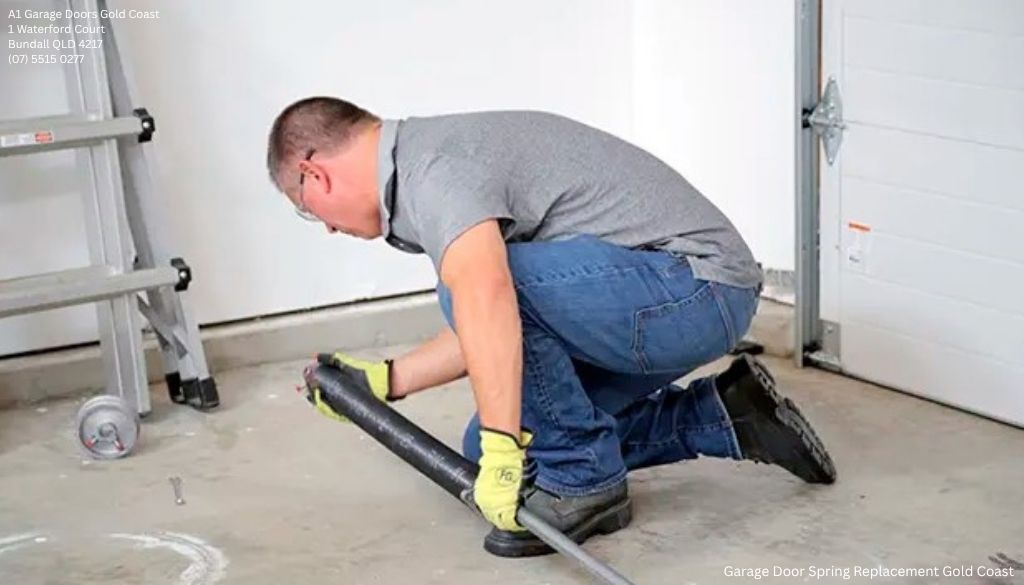
The secret is not to think the opener is the only wrongdoer. Oftentimes, the garage door itself creates the pressure. A bent track, worn rollers, hardened seals, or a rigid hinge can make the opener work harder than it should. That additional tons takes a trip directly right into the motor and transmission. If the opener is loud, the door system needs to be inspected in its entirety, not as separated parts.
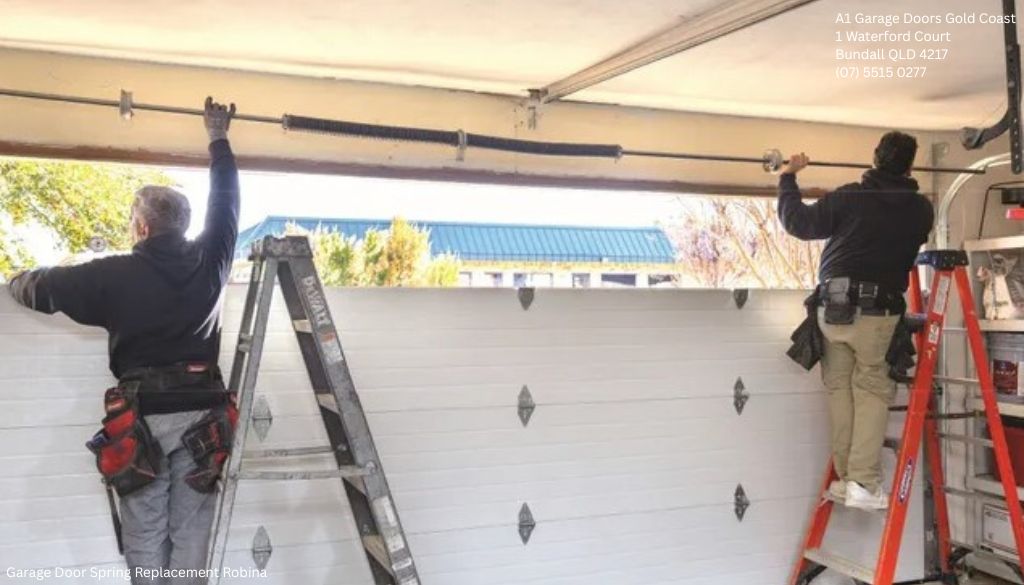
A fast way to tighten the issue is to pay attention thoroughly when the door actions by hand and when the electric motor runs. If the door is loud also without the opener involved, the fault is possibly in the door equipment. If the door moves smoothly by hand but the opener is loud, the issue might remain in the drive system, the electric motor, or the placing. That difference saves time and helps stay clear of replacing the incorrect part.
What to evaluate prior to you grab tools
Before opening up the housing or loosening up anything, disconnect the device and evaluate the visible parts. This is the component most house owners avoid, even though it usually discloses the trouble within minutes. Dust, loosened bolts, aging rubber, and slight misalignment all make themselves understood if you take a slow appearance along the door course and the opener assembly.
A useful evaluation normally includes these checks:
- Confirm the door can move freely by hand and does not bind midway.
- Look for loosened bolts, brackets, or opener mounts.
- Check the rails or tracks for damages, spins, or debris.
- Examine rollers, hinges, and the drive chain or belt for wear.
- Listen for indications of strain from the motor covering or gearbox area.
If the garage door is hefty to lift manually, that is an indication. An opener is designed to help a balanced door, not make up for one that runs out equilibrium. Forcing the motor to do that task is a typical reason for premature wear and unusual noise.
It is also worth inspecting the condition of the seals and the door frame. In seaside and storm-exposed areas, spaces around the door can let in wind-driven debris and dampness, which consequently quicken wear on moving components. Preventive maintenance for garage doors is not just about silent procedure, it is also regarding maintaining the whole opening secured and stable.
The opener itself may require attention
Once you have actually ruled out apparent door equipment problems, focus on the opener. Many contemporary devices rely upon a chain, belt, screw drive, or similar mechanism to relocate the door. Each kind has its own sound profile, but all of them can end up being louder when stress adjustments, bolts loosen up, or internal parts wear down.
A chain drive typically creates clatter if the chain droops or the mounting loosens. A belt drive can squeal or tweet if the belt is worn or the pulley-block system is not running evenly. A screw drive can generate an extreme mechanical audio if the screw or carriage is dry or the unit has built up gunk. Inside the electric motor real estate, worn equipments can make a crunching or grinding noise, particularly under load.
This is where judgment matters. A little functional sound is regular. A sudden adjustment is not. If the opener has actually come to be significantly louder over a brief time, or if the sound is paired with hesitation, shaking, or duplicated stopping, the trouble might be more than a basic lubrication issue. That is the factor where several homeowners make a decision to stop tinkering and prepare professional assistance, specifically if the door is required daily or the climate is transforming unstable.
When the sound is not just noise
Some appears need to be dealt with as indication instead of nuisances. If the opener hums yet the door barely relocates, the motor may be straining against a binding door or falling short internally. If the door jerks, shakes, or reverses all of a sudden, the system might be misaligned or the pressure settings may not be proper. If a sharp snap comes with the sound, a springtime or wire issue is possible, and that is not something to treat casually.
Garage door springtimes and cords are under considerable stress. They are not the place for uncertainty. If the noise seems ahead from those components, or if the door has actually become lopsided, unusually hefty, or challenging to raise, the more secure action is to quit using it and call for emergency fixings. A stuck or falling short door can develop a security problem along with a mechanical one, particularly if the garage is a major accessibility point to the home.
For home owners in cyclone-prone areas, that caution comes to be even more important. Queensland assistance deals with garage doors as a known weak point in serious tornados, and that makes a noisy, endangered system more than a convenience concern. If the opener is currently struggling, it may not give the reputable closure required when extreme climate is approaching. A door that will not close correctly, or one that has visible damage, is worthy of instant attention.
Repairing the usual causes of unusual noise
The right repair work depends on the source of the sound. If the concern hangs installing equipment, retightening the opener's brackets can bring back a steadier run. If the chain is too loosened or also limited, the drive system may require change. If rollers or joints are completely dry or worn, they may require cleaning, lubrication, or replacement. If the rail is filthy or blocked, removing the course can make an unexpected difference.
For several families, the most basic repair services are likewise the most useful. Removing particles from the track, tightening up a few fasteners, and restoring fundamental lubrication can decrease noise immediately. That sort of upkeep may appear moderate, but it avoids the little issues that lead to larger stress. It additionally assists the opener move the door with less resistance, which extends the life of the motor and drive components.
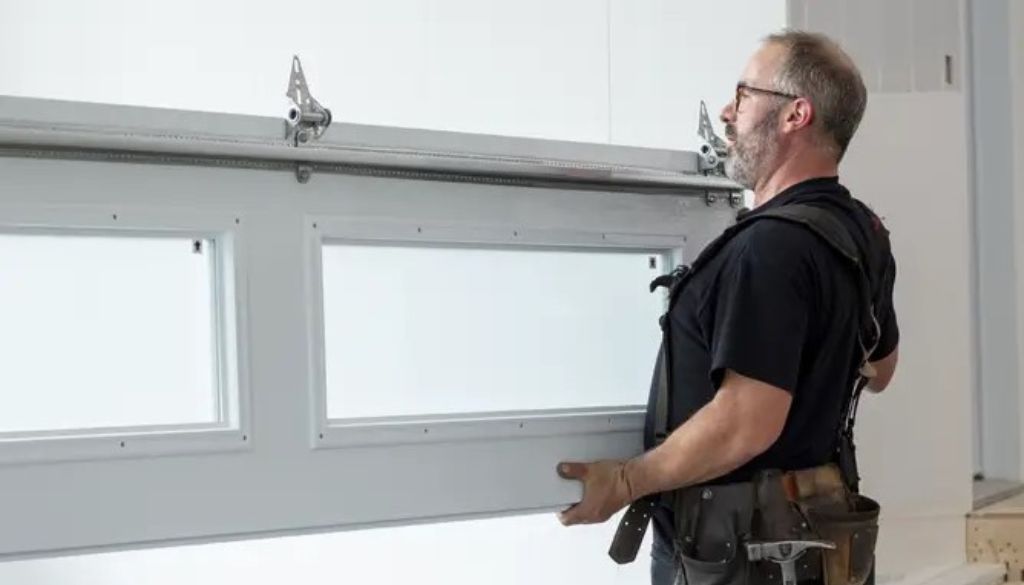
Still, there is a line in between helpful maintenance and dangerous intervention. If you open the electric motor housing and locate stripped equipments, damaged circuitry, or signs of burning, that is a different classification of repair service. At that point, the sound is no longer a routine maintenance concern, it is an indication that the opener may require element replacement or full device substitute. A damaged motor can keep making sounds for a while, but it normally does so by obtaining less reliable, not more.
A functional order of operations
A great fixing process begins with the outside and functions inward. That maintains the work grounded and prevents unnecessary disassembly. It likewise aids you compare a door problem and an opener problem, which is among one of the most valuable pieces of judgment in garage door work.
- Disconnect power and inspect the door by hand for smooth movement.
- Check tracks, rollers, joints, and visible fasteners for looseness or wear.
- Examine the opener's placing, drive system, and any type of indications of vibration.
- Address easy maintenance problems initially, such as particles, loose hardware, or absence of lubrication.
- If sound continues, or if the electric motor sounds stretched, prepare professional evaluation before the system fails.
That series is not regarding being cautious for its very own purpose. It reflects exactly how these systems generally fail. The majority of loud openers are not suddenly broken. They are informing you the door is no more moving with the ease it when had.
Why tornado readiness changes the method you ought to think of repairs
On the Gold Shore and throughout Queensland, garage door solution is not nearly ease or noise decrease. It is connected to storm prep work and strength. Authorities readiness assistance consistently emphasizes securing homes prior to serious weather, and garage doors are part of that picture. A door that rattles, bends, or battles under typical use should have focus long before a cyclone warning is issued.
Queensland materials also note that garage doors need to abide by the pertinent wind-pressure rating or be supported by an ideal supporting system when a cyclone is approaching. That detail matters since a garage door failure can impact more than the opening itself. It can harm surrounding walls, ceilings, and roof cladding, turning a solitary failing right into a much more costly fixing. A loud opener can be a very early hint that the door system is not in the best condition to do its job under stress.
That is why precautionary upkeep for garage doors has a various tone in storm-prone areas. You are not only attempting to silence an equipment. You are examining that the closure is steady, properly garage door repair near me secured, and ready for severe climate. Replacing a non-compliant or shabby door can boost durability, and even when substitute is not needed, routine examination of spaces, seals, and door framing remains worthwhile.
Security, access, and the expense of delay
A garage door that makes uncommon noise typically obtains endured longer than it needs to since it still works most of the moment. That is a hazardous practice. An opener that seems undesirable might stop working at the worst possible minute, when you require the garage safe and secure, the weather is turning, or the house is empty. Security-related style support in Queensland has long recognized the importance of strong, tamper-resistant door systems in safe and secure applications. While a domestic garage is not a high-security center, the principle coincides: a durable door and opener are tougher to defeat and less most likely to leave you exposed.
The price of waiting can be little initially and much bigger later on. A bracket that only requires tightening today can turn into an altered track tomorrow. A noisy gear can come to be a confiscated electric motor. A door that is somewhat out of equilibrium can overstress the opener up until the entire unit requires changing. Repairing a garage door opener that makes uncommon noise is normally less expensive before the signs spread right into the remainder of the system.
When substitute makes even more feeling than repair
Not every noisy opener should have a repair work effort. If the device is old, the drive components are put on, and the electric motor is louder monthly, a replacement might be the useful option. The same is true when the door itself becomes part of the problem, especially if it no more meets existing storm-resilience expectations or has visible indicators of architectural weakness. In those cases, changing just one component may only get a brief reprieve.
The choice usually comes down to the balance in between cost, integrity, and danger. If the opener is making noise as a result of a loose bracket or dry hardware, repair work makes sense. If the noise originates from inner wear in the motor or gearbox, or if the door has duplicated placement troubles, the economics change. A replacement can bring back quieter operation, better integrity, and in some circumstances, enhanced preparedness for extreme weather.
That compromise is particularly crucial for property owners that depend upon the garage as a main entrance point. A system that functions only when managed carefully is not a great system. It ought to open, close, and seal without drama.
Keeping it quieter after the repair
Once the noisy component has actually been fixed, the task is not fairly finished. The most effective method to keep a garage door opener quiet is to decrease pressure prior to it builds. That means normal monitoring, timely lubrication where suitable, and taking note of changes in the sound of the system. If the opener obtains louder over a couple of weeks, do not wait on a failing to verify your suspicion.
A sensible maintenance routine is to examine the door seasonally, specifically prior to the storm season starts. Look at the seals, track problem, placing factors, and the means the door acts at startup and shutdown. If anything looks misaligned or feels heavier than typical, repair it early. This is the practical side of just how to repair a garage door, due to the fact that the best repair is track adjustment typically the one that stops a malfunction rather than reacts to it.
Quiet procedure is not only positive. It is evidence that the door, the opener, and the garage motor are sharing the load effectively. When the system runs efficiently, the electric motor does much less work, the equipment lasts much longer, and the whole entry point is a lot more dependable.
A garage door opener that has begun to appear unusual is requesting for interest. Occasionally the solution is a tiny modification or a bit of maintenance. Occasionally it indicates deeper wear, or to a door that no longer is worthy of to be relied on with an additional tornado season without evaluation. Either way, the sound works information. The technique is paying attention early sufficient to act on it.